.svg)
An ecology survey for planning is often required to assess the potential impact of a proposed development on local habitats, wildlife, and protected species. These surveys help ensure that planning applications comply with environmental legislation and planning policy.
By identifying ecological constraints early, developers can avoid delays, protect biodiversity, and provide the necessary ecological reports to support a successful planning application.
March 2026
.svg)
Our team of experienced ecologists delivers everything you need, from baseline habitat surveys, biodiversity gain plans, habitat creation strategies, and long-term monitoring. We combine scientific expertise with practical solutions so your project runs smoothly, legally, and on schedule.
Ecology surveys are often a key requirement when submitting a planning application, particularly for developments that may impact habitats, wildlife or protected species. At Gradwell Environmental, we provide professional ecological surveys and assessments to support planning applications and ensure compliance with local authority and environmental regulations.
Local planning authorities frequently request ecological assessments when a proposed development could affect biodiversity, protected species or sensitive habitats.You may need an ecology survey if your site includes:
Ecological surveys help developers meet their responsibilities under environmental legislation and planning policy. Local planning authorities have a duty to protect wildlife habitats and biodiversity.
As a result, planning departments often require ecological assessments before considering planning applications.
These surveys ensure that :
Biodiversity Net Gain is now a mandatory requirement for most developments in England.
Our team can assess the ecological value of your site and calculate biodiversity units to demonstrate compliance with BNG regulations. We can also advise on practical strategies to achieve the required biodiversity improvements.
This is a nationally applied system that ensures planning and ecology work hand-in-hand. For developers, it means an extra planning requirement that must be managed correctly from the start.

-min.jpg)
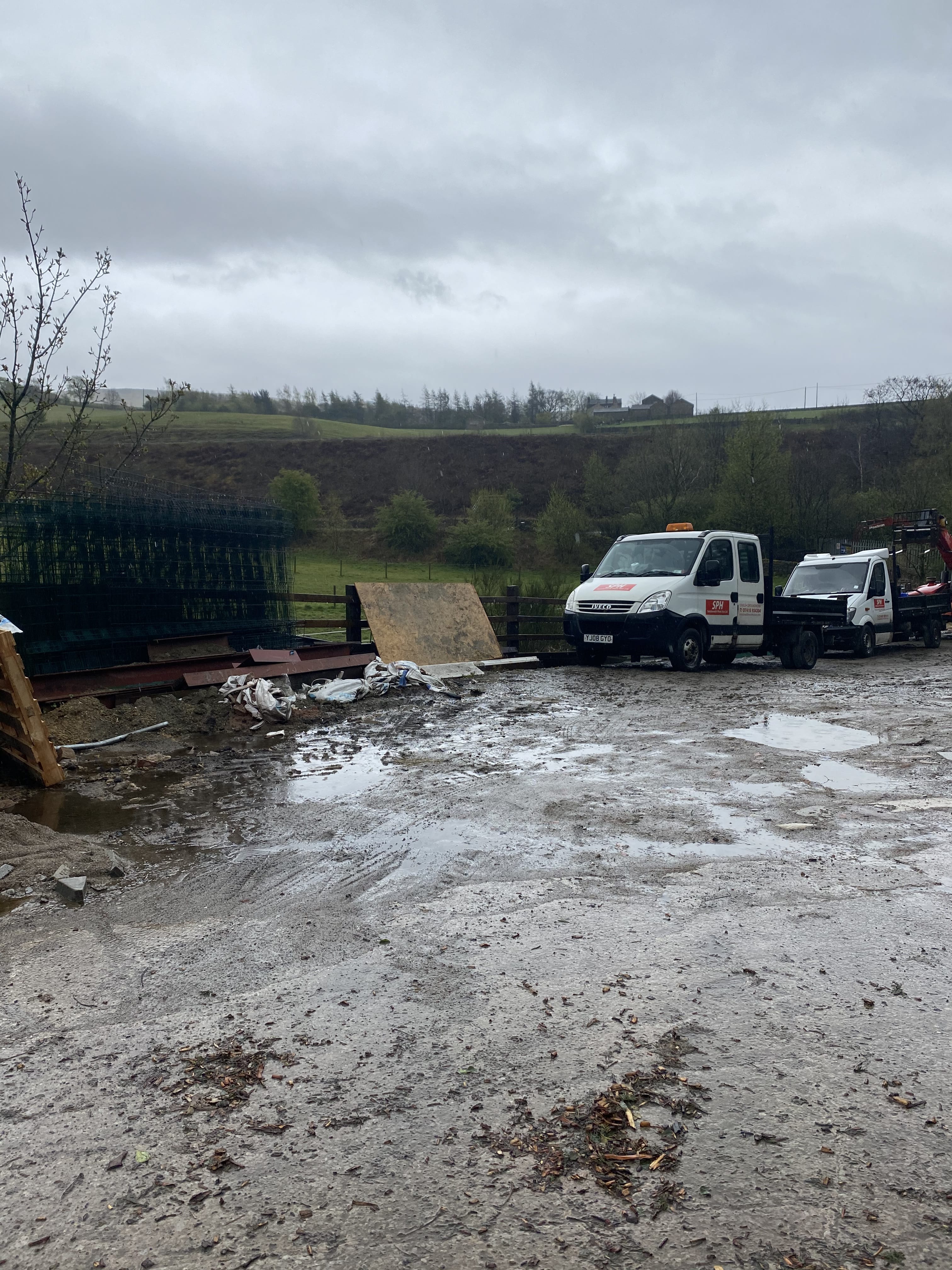
An ecological survey is a detailed assessment of a development site that evaluates the potential environmental impact of proposed construction or land use changes.
The survey focuses on identifying wildlife habitats, protected species and ecological features that may exist within or around the site boundary. By understanding the ecological value of the site, developers can determine whether their project could negatively affect local biodiversity.
Ecological surveys also examine plant species present on the site. In some cases, rare or protected plant species may require protection, while invasive plant species can present challenges for construction or long-term site management.
The findings of the survey help identify potential environmental risks and provide recommendations on how these risks can be avoided or reduced during the development process.
.svg)
Most new build developments require ecological assessment as part of the planning application process. Local planning authorities must consider the potential impact of development on wildlife habitats, protected species and biodiversity before granting permission.
An ecology survey helps identify any ecological features present on the site and determines whether the proposed development could affect local habitats or protected species. The findings are then presented in an ecological report that supports the planning application and demonstrates compliance with environmental legislation.
For new build projects, the ecological assessment usually begins with a Preliminary Ecological Appraisal (PEA). This initial survey identifies habitats on the site and assesses the potential for protected species such as bats, birds, reptiles or great crested newts. If ecological constraints are identified, further surveys or mitigation strategies may be required before development can proceed.
Undertaking ecological surveys early in the planning process helps developers avoid delays and ensures that any environmental requirements are addressed before submitting the planning application.
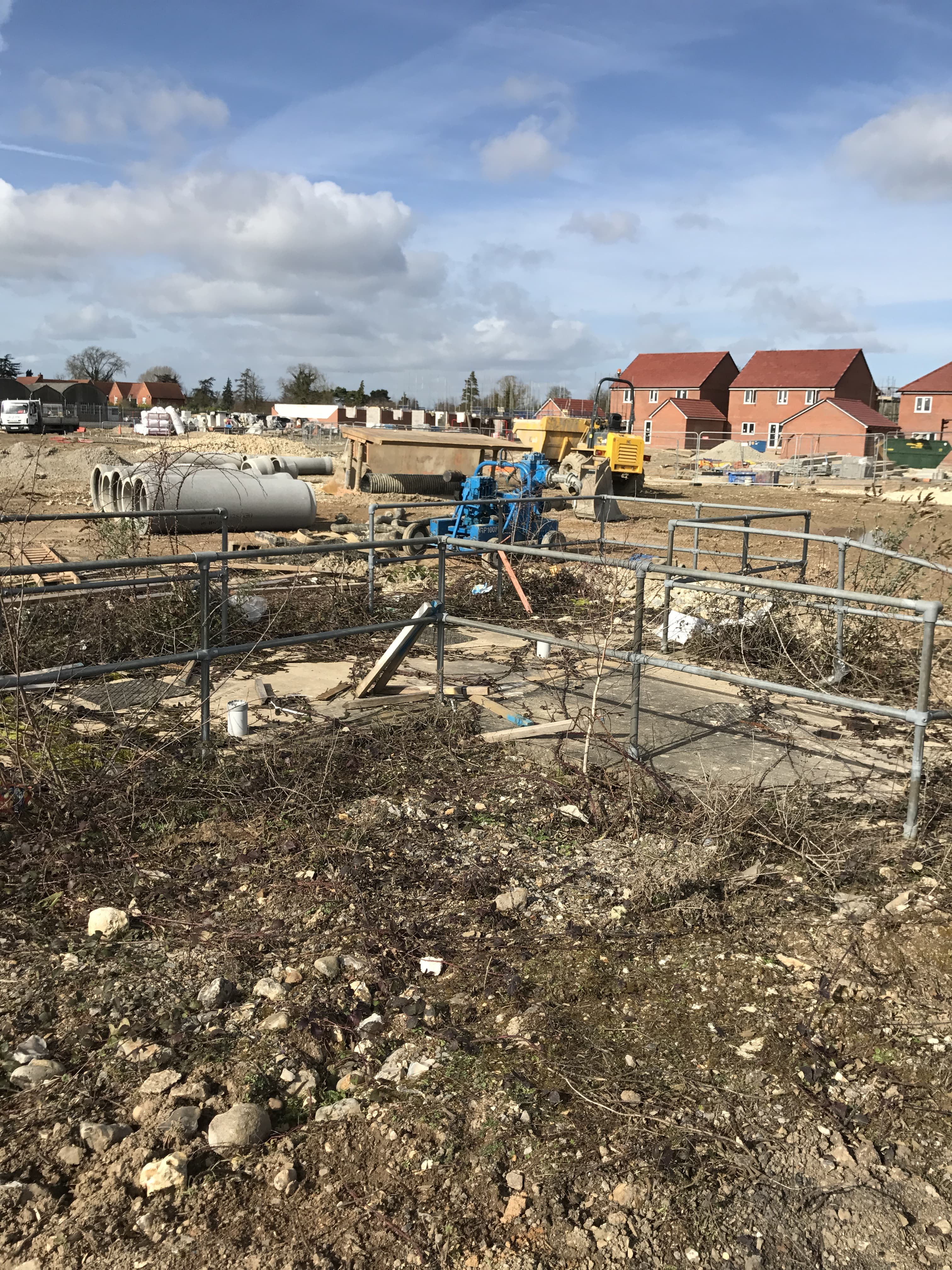
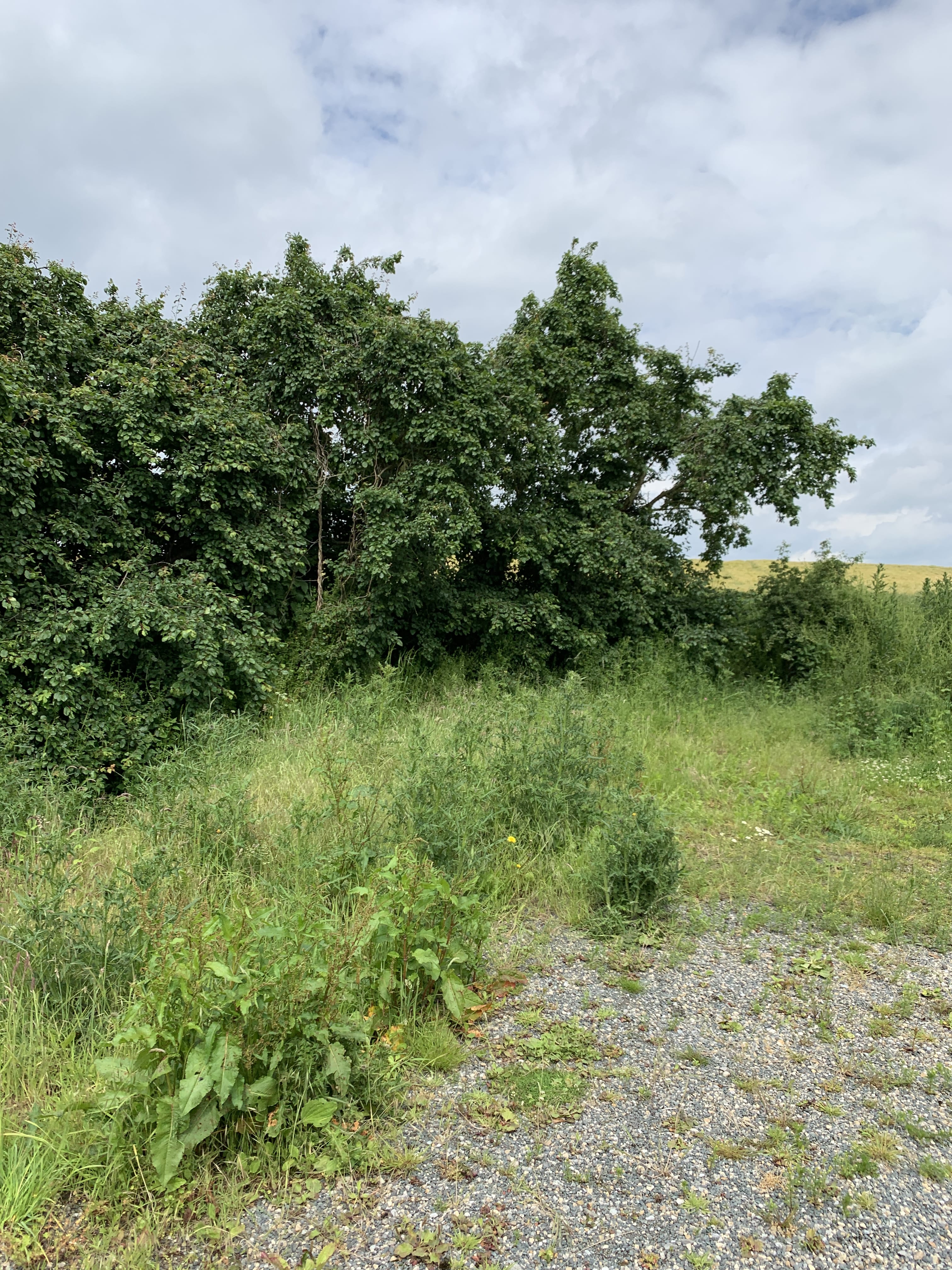
In some cases, a house extension or property alteration may require an ecology survey as part of the planning process. Local planning authorities must consider the potential impact of development on wildlife and protected species, particularly where buildings or surrounding land could provide suitable habitats.
Ecology surveys are often required for extensions where the property is located close to woodland, watercourses, hedgerows or other natural habitats, or where the building itself could support protected species such as bats or nesting birds. Older properties, barns, rural buildings and homes with large roof spaces are particularly likely to require ecological assessment.
A survey will typically begin with a Preliminary Ecological Appraisal (PEA) or ecological walkover survey. During this assessment, an ecologist will inspect the property and surrounding area to identify any potential habitats or ecological features that could be affected by the proposed extension. If no ecological constraints are identified, the report can be submitted alongside the planning application to confirm that development can proceed without further surveys.
If evidence of protected species or valuable habitats is identified, additional ecological surveys or mitigation measures may be required to ensure the development complies with environmental legislation. Carrying out an ecology survey early in the project helps prevent delays and ensures planning applications meet local authority requirements.
Ecology surveys are also important in demonstrating compliance with Biodiversity Net Gain (BNG) requirements.Biodiversity Net Gain, introduced through the Environment Act, requires most developments in England to leave biodiversity in a better state than before development began.
In practical terms, this means developments must achieve at least a 10% improvement in biodiversity value.Ecological surveys provide the baseline data needed to calculate biodiversity value and identify strategies to achieve biodiversity improvements on a site.
.svg)
The cost of a Biodiversity Net Gain (BNG) survey will depend on the size of the site, the complexity of habitats present and the level of ecological assessment required.
For smaller developments, a basic BNG assessment and habitat survey typically starts from around £1,500 to £3,000, while larger or more complex sites requiring detailed habitat mapping, biodiversity unit calculations and mitigation strategies may range from £3,000 to £7,500 or more.
In some cases, additional costs may arise if further ecological surveys, habitat creation plans or off-site biodiversity units are required to meet the mandatory 10% Biodiversity Net Gain requirement set out in UK planning legislation.
.svg)
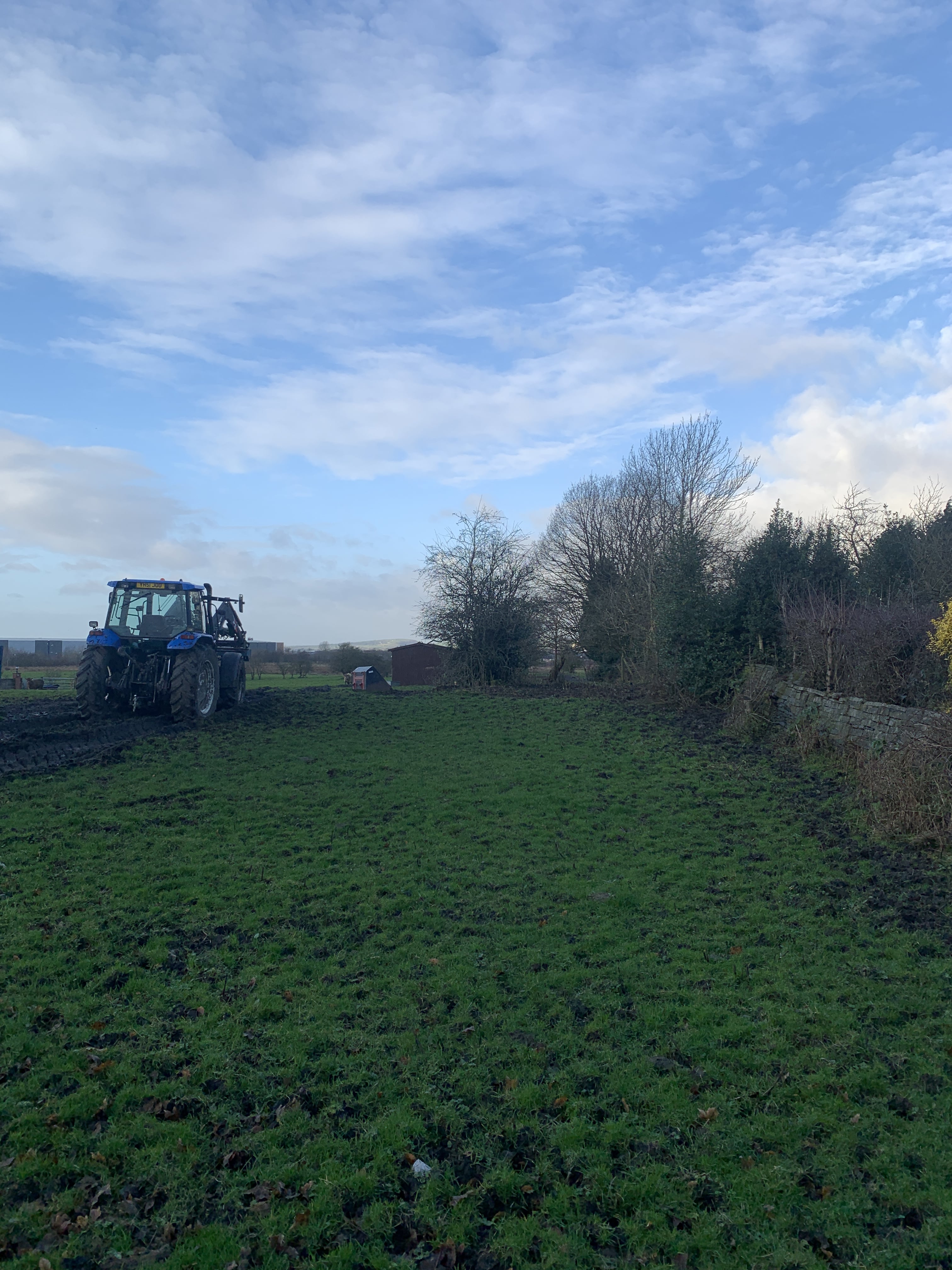
An Ecological Impact Assessment (EcIA) evaluates how a proposed development may affect habitats, wildlife and biodiversity on or around a site.
It is typically required when a project has the potential to cause significant ecological change, particularly where protected species or important habitats are present. The assessment uses information gathered from ecological surveys to identify the scale and significance of potential impacts and recommends mitigation measures to avoid, minimise or compensate for environmental harm.
The resulting EcIA report is submitted as part of the planning process to demonstrate that ecological considerations have been properly assessed and that the development can proceed in accordance with environmental legislation and planning policy.
The cost of an Ecological Impact Assessment (EcIA) varies depending on the size of the development site, the habitats present and whether additional ecological surveys are required.
As a guide, the initial desk study and habitat survey that form the baseline for an EcIA typically cost around £750–£1,200, with additional desk study data costing approximately £100–£375.
If further protected species surveys or detailed ecological assessments are required, the total cost of an EcIA can increase significantly depending on the complexity of the project and the number of surveys needed.
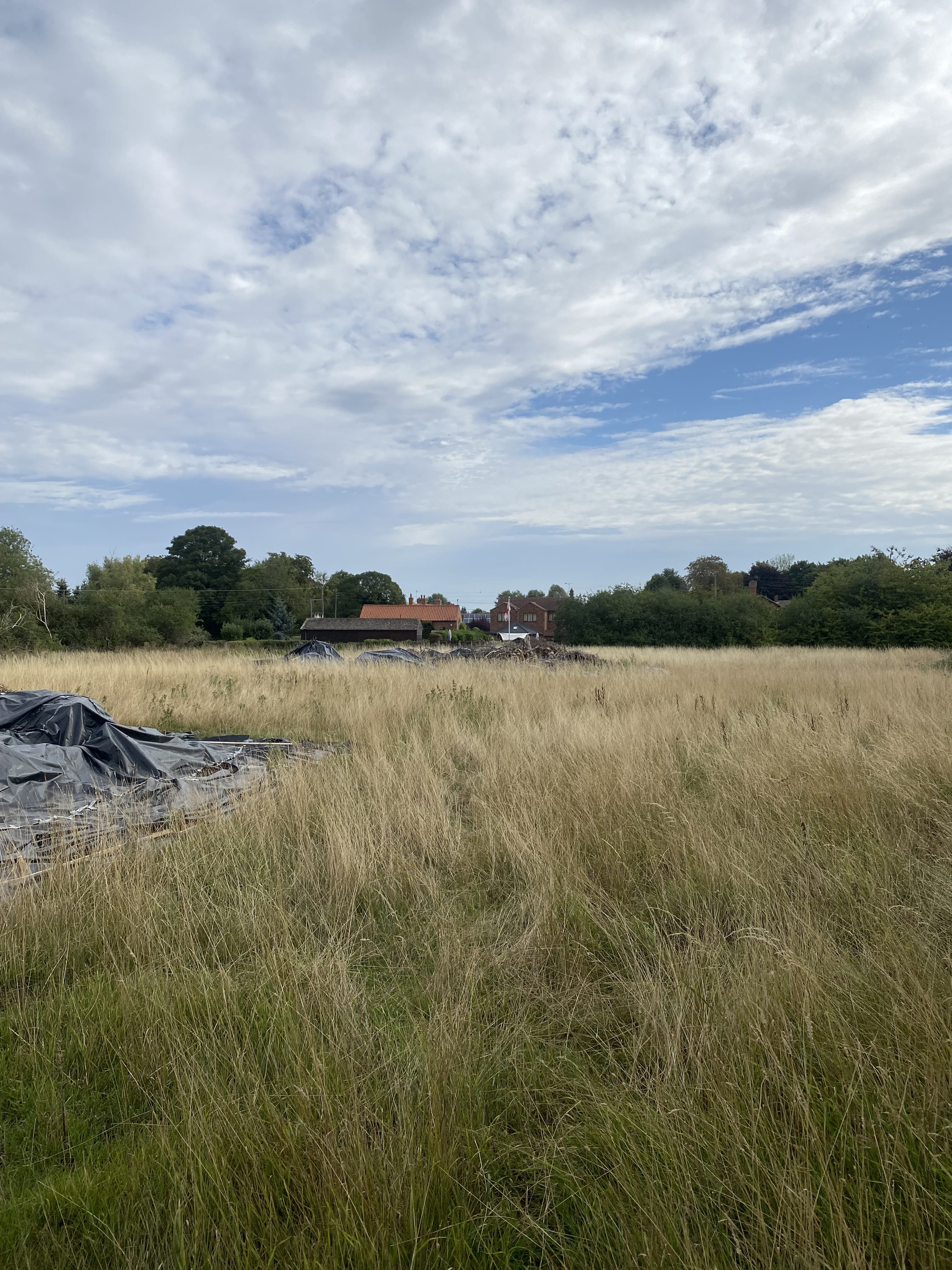
A Preliminary Ecological Appraisal, also known as a Phase 1 Habitat Survey, is usually the first step in the ecological assessment process.
The survey includes:
The results of the survey are compiled into a preliminary ecological report, which outlines ecological constraints and recommends whether further surveys are required.
The cost of a Preliminary Ecological Appraisal (PEA), also known as a Phase 1 Habitat Survey, typically ranges from £750 to £1,200 for small to medium development sites.
The final price depends on factors such as the size and location of the site, the complexity of habitats present, and whether additional ecological data needs to be obtained from local record centres, which can cost an additional £100–£375.
Larger or more complex sites may require more detailed surveys, which can increase the overall cost.
Planning application ecology surveys enquiry Form